

Every Age Thinks It Is the Last
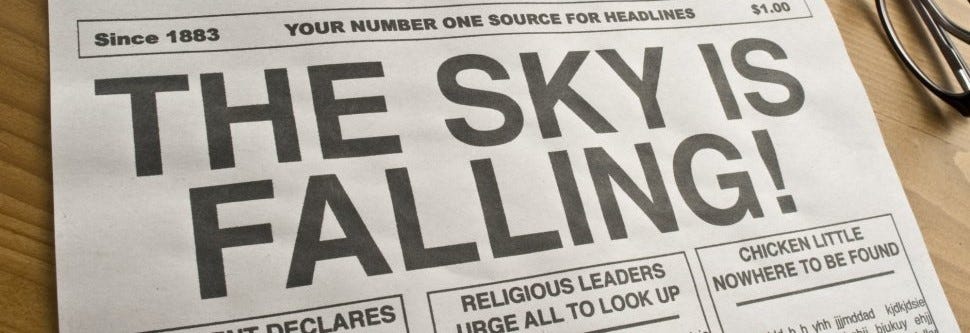
The news headlines may change, but the story of humanity does not.
Listening to the Past
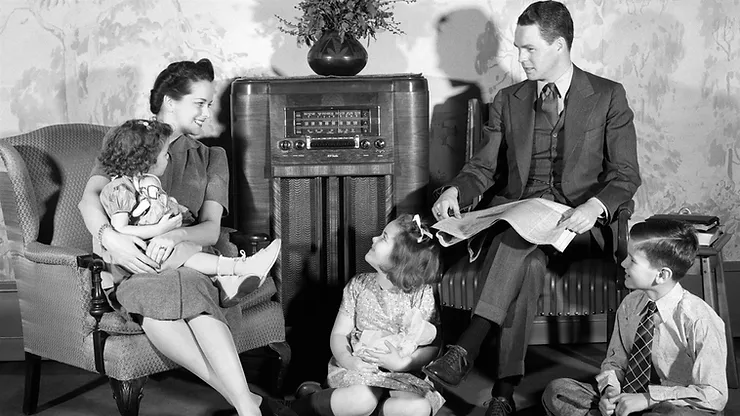
The other day I was listening to a recording of CBS Radio Mystery Theatre from 1974. It was taken straight from the radio broadcast. Before the play began, there was a short news segment: stories about an oil crisis, the Watergate scandal, rising beef prices, and job losses in the steel industry. The reporter even spoke about “climate change concerns” and shortages that could reshape the economy.
It sounded strangely familiar. If you replaced the names and dates, it could have been the evening news today.
That recording, a voice from fifty years ago, made me think of how the same worries return again and again. It is not new to live in anxious times.
The Cycle of Crises
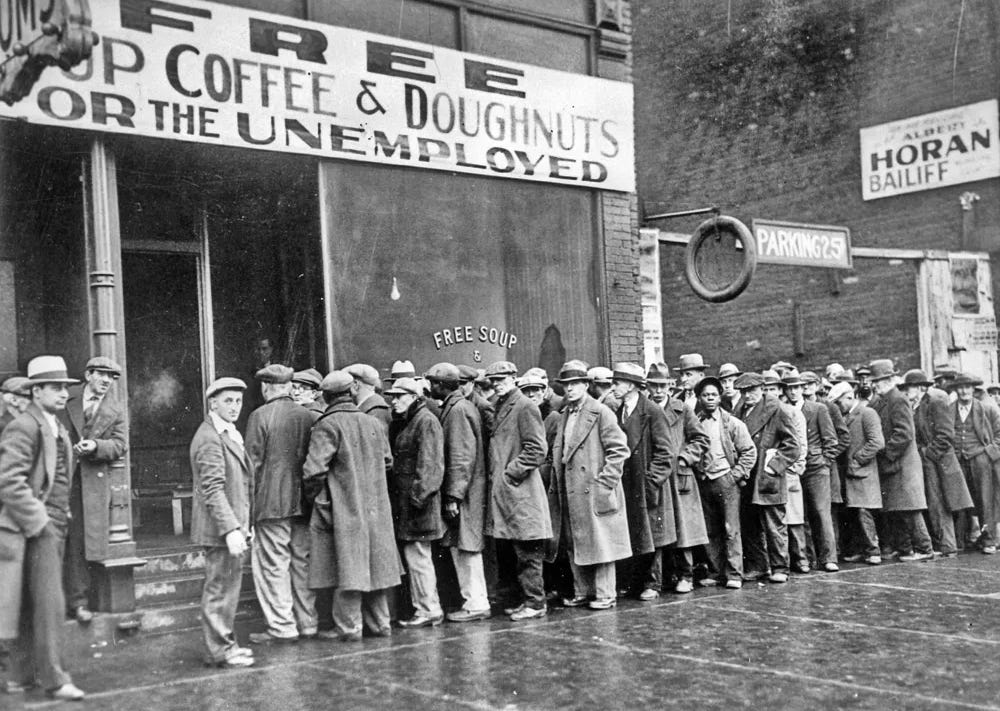
History shows this rhythm clearly. A century before that 1974 broadcast, the world had just come through the Spanish Flu pandemic of 1918–1920. A decade later came the Great Depression, followed by war, reconstruction, and the Cold War’s constant tension.
Now we speak of pandemics, inflation, unemployment, and unrest. We use new names and modern vocabulary, but the mood is the same: fear that things are falling apart, that the end is near, that life has become too uncertain to plan or hope.
Every generation inherits the same message from its media and leaders: this moment is different, this danger is final. Yet it never is. Humanity survives, adapts, and rebuilds. The same patterns repeat because human nature has not changed.
The Machinery of Fear
If you watch enough news, you can begin to think the world is collapsing by the hour. Every headline is a new crisis; every broadcast a warning. The pattern has been the same for decades. There is always a shortage, a scandal, a disaster to remind you how fragile everything is.
This cycle has power because it keeps people afraid and dependent. A fearful person is easier to direct than a free one. Fear sells papers, drives clicks, and fills hours of broadcast. But living in constant alarm dulls the mind and weakens the will.
When we look back through history, we can see that the same voices have been calling for panic since the beginning of mass communication. The names change, but the tone is identical: fear your neighbor, fear the economy, fear the future.
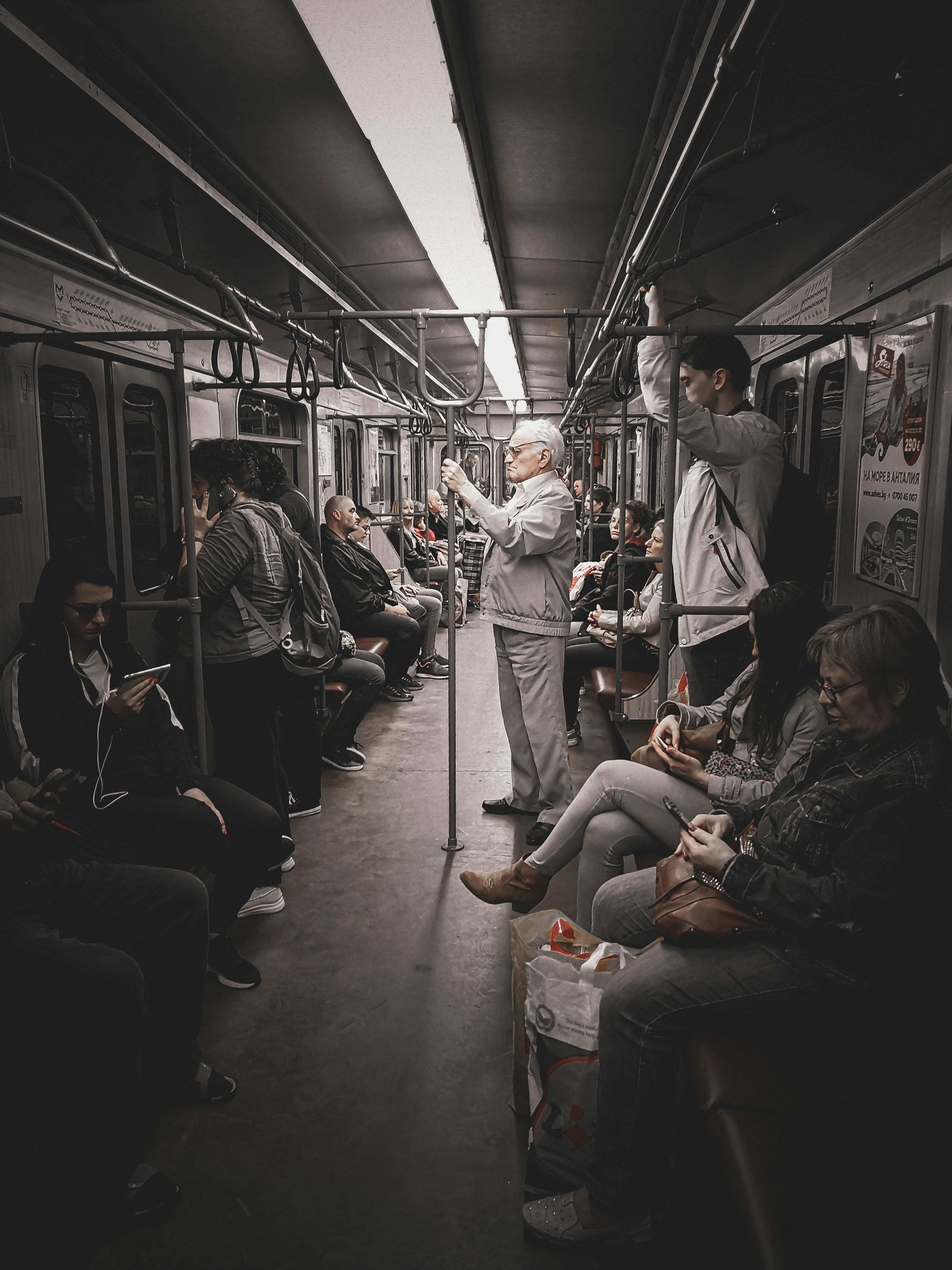
Billions is spent designing this behaviour of checking the news to be addictive, to be a soothing source in your pocket, akin to being stuck in an abusive relationship. It taps into your instinct that you need to be constantly aware of danger around you, even when it is not.
Faith and Perspective
The Christian tradition answers with something very different: Fear not.
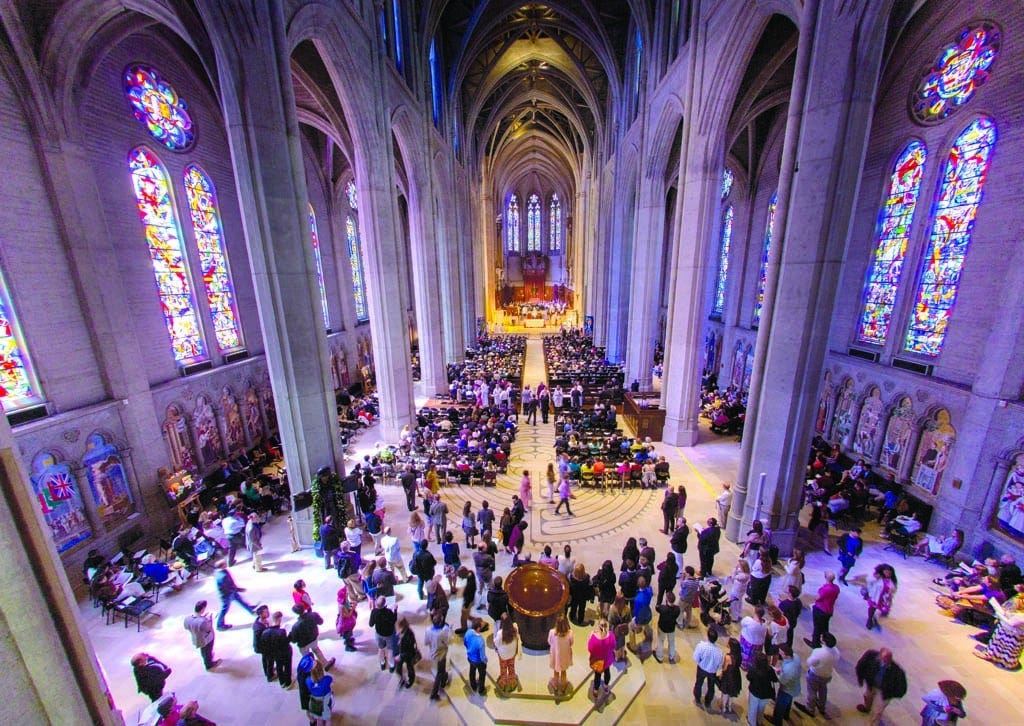
In Scripture, the command “Do not be afraid” appears again and again. Christ says it to His disciples not because the world is safe, but because they are called to live in truth rather than in panic. Faith does not deny trouble, it denies despair its power.
When the world tells you life is too unstable to marry, to have children, or to hope, remember that people have been told the same for centuries. Yet they loved, worked, built homes, and believed in something greater than themselves. That courage is why we are here.
Faith gives perspective that the news cannot. It reminds us that history is not random, and that endurance is itself an act of resistance against fear.
Choosing Reality Over Noise
If there is one lesson in hearing that 1974 broadcast, it is this: the story of crisis is old, but the story of human endurance is older. The answer is not to withdraw from the world but to see it clearly.
Turn off the voices that profit from anxiety. Go outside. Speak to your neighbors. Notice the ordinary beauty that still exists. The world has always been uncertain, yet it continues.
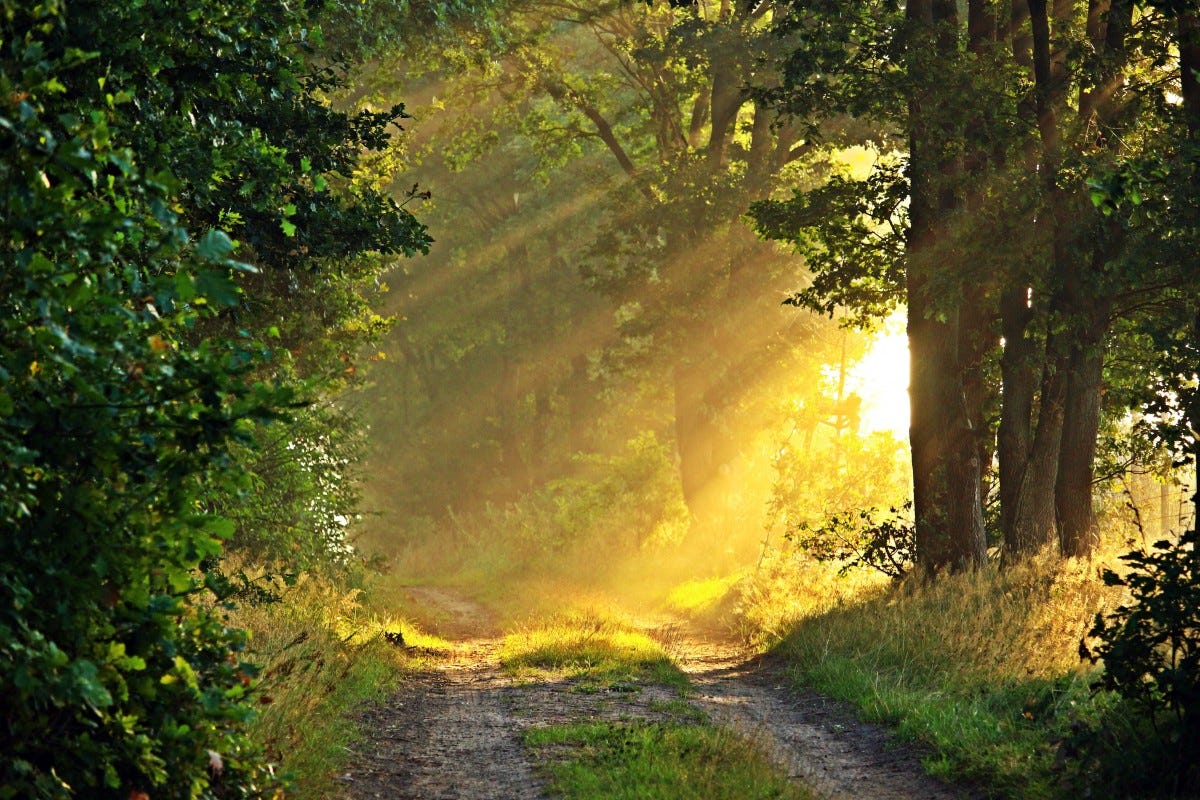
The Christian life begins with the same discipline, to see reality as it is, not as it is sold. Fear thrives in abstraction, but courage grows in contact with the real: the wind, the soil, the voice of a child, the light that returns every morning.
Conclusion: Living Without Fear
In one hundred years, people will listen to our recordings and read our headlines. They will see the same pattern of worry and wonder how we managed. The answer will be simple: because people kept living.
They married, worked, prayed, and raised families. They trusted that life, however hard, is worth living. They refused to let fear define their age.
That same choice belongs to us now. Turn away from the noise. Look with your own eyes. Live with courage. Go outside.
“Peace I leave with you; my peace I give to you. Not as the world gives do I give to you. Let not your hearts be troubled, neither let them be afraid.” - John 14:27
It sure does. When will we ever learn.
A good reminder that history does indeed repeat itself.