

The Christian Meaning of Halloween
A reflection on Halloween’s Christian origins and the victory of life over death.
Introduction
Each year, on the last night of October, people across the world celebrate Halloween. The day is filled with costumes, carved pumpkins, and stories of ghosts and monsters. Most think of it as a secular holiday, but its origins are Christian.
The word Halloween comes from All Hallows’ Eve, the night before All Saints’ Day, one of the oldest feasts in the Church calendar. What began as a vigil of prayer and reflection has slowly changed into a celebration of fright and fantasy. Yet behind the surface remains a truth worth recovering: Halloween began as a night to remember holiness and the victory of life over death.
The Origin of All Hallows’ Eve
In early Christian Europe, the Church set aside November 1 as the Feast of All Saints, a day to honor every saint, known and unknown. The night before it, October 31, became the vigil, All Hallows’ Eve. The English word hallow meaning “holy” or “saint.”
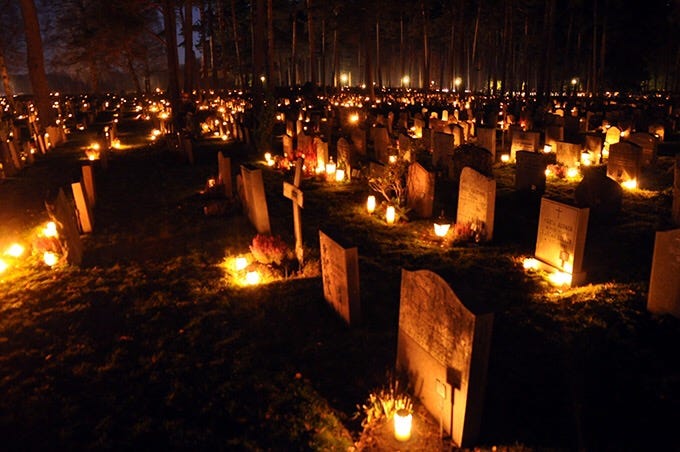
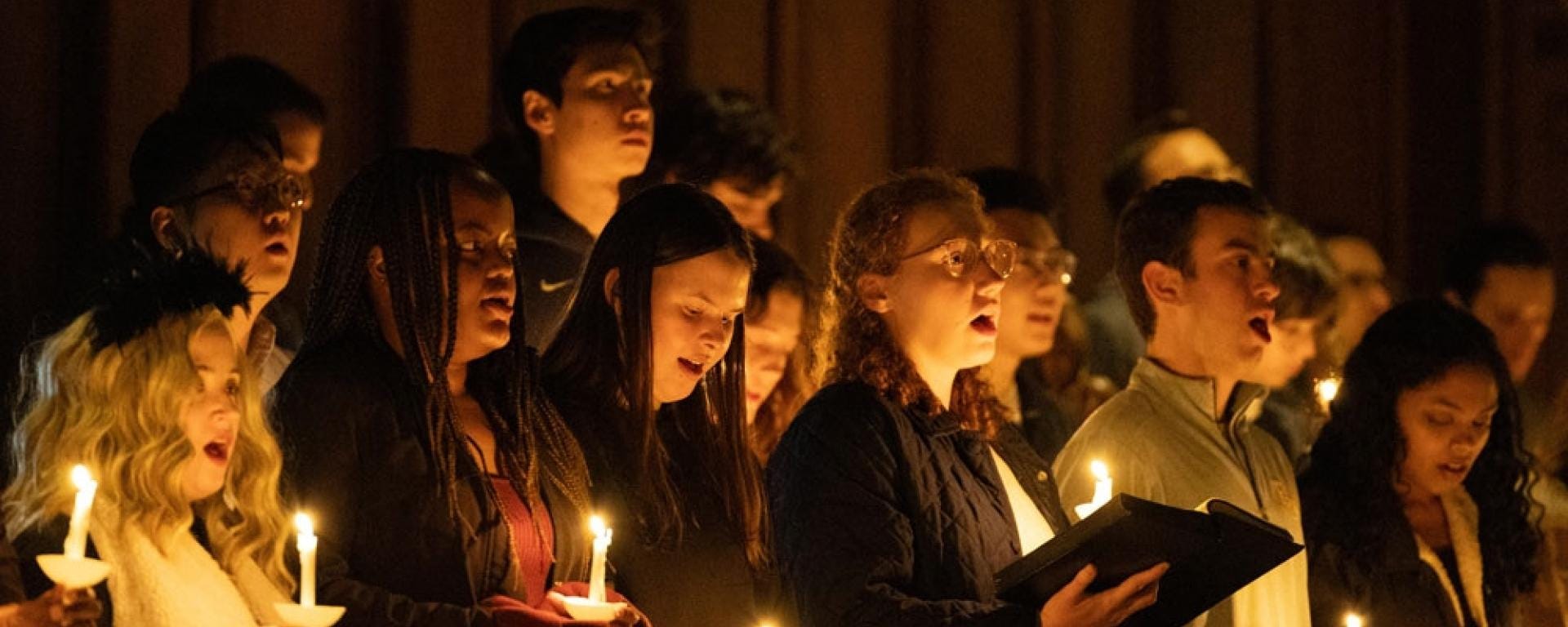
During this vigil, Christians gathered in prayer, often lighting candles and reading the names of the departed. As with Christmas Eve, the faithful kept this vigil before the feast, preparing their hearts for celebration.
The Church later extended the commemoration to three days known as Allhallowtide:
October 31 – All Hallows’ Eve
November 1 – All Saints’ Day
November 2 – All Souls’ Day
Together they formed a season of reflection on the communion of saints, the unity between the Church on earth, the saints in heaven, and the souls being purified in God’s mercy.
Facing Death through Faith
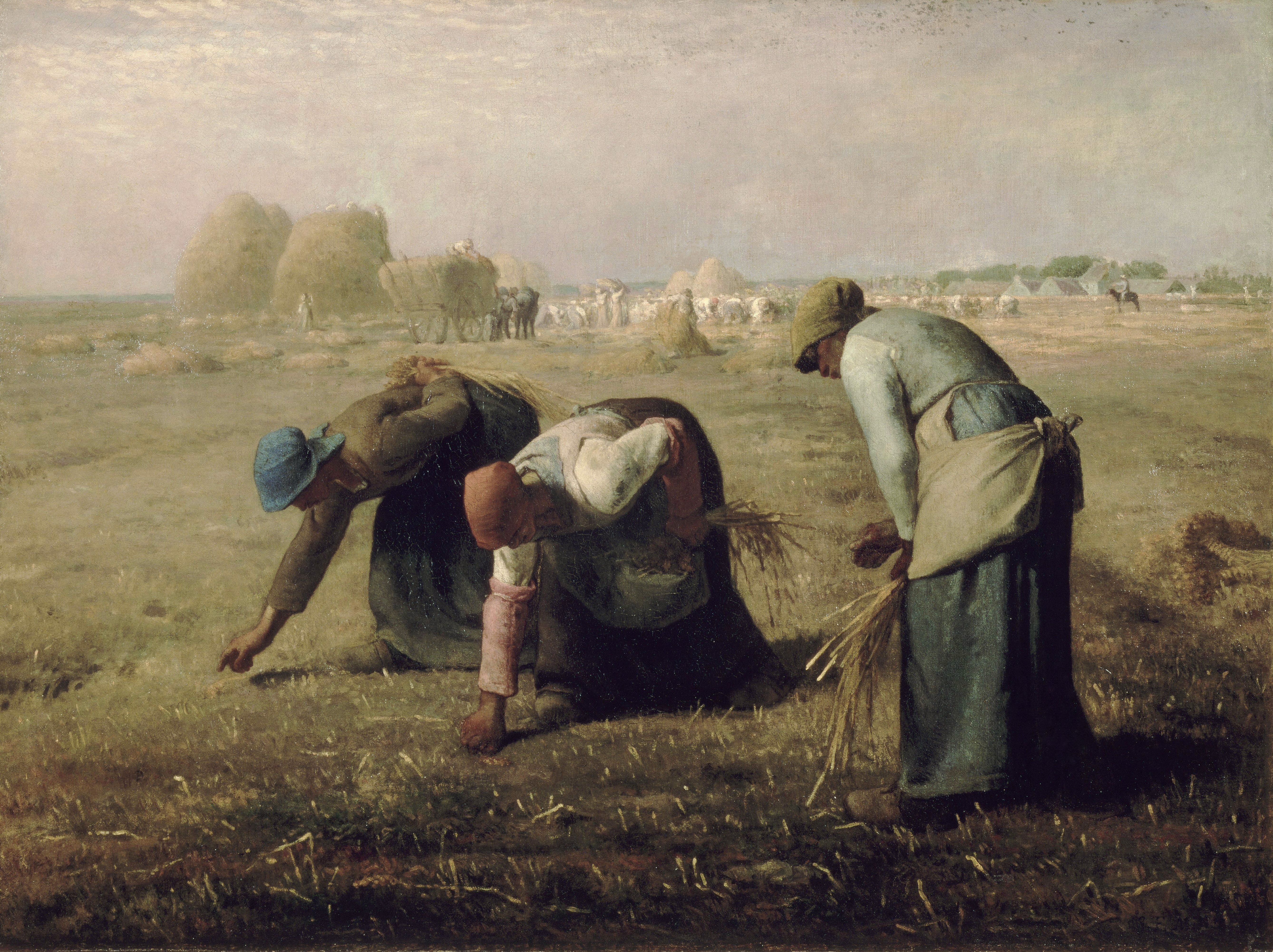
Halloween’s imagery of death and the supernatural did not actually begin as superstition. In Christian practice, the late autumn season was already a natural time to remember mortality. The harvest was ending, the days were shorter, and nature itself seemed to sleep. In a time of general scientific illiteracy, it must've seened mystical, and somewhat eerie, to see white cobwebs in the trees, and fog on the horizon.
The faithful lit candles in cemeteries, prayed for the dead, and sang of resurrection. It was a memento mori season, a time to look at death honestly with hope in Christ rather than the scares and fear of today.
As the Book of Wisdom says, “The souls of the righteous are in the hand of God, and no torment shall touch them.” (Wisdom 3:1)
This view of death as transformation, not destruction, was central. Halloween’s later fixation on ghosts and terror is a distorted echo of this original truth.
How Folk Customs Entered the Feast
Over time, Christian and local customs blended. In parts of Ireland and Scotland, people lit bonfires or wore disguises while visiting homes, asking for prayers for the dead in exchange for food. This “souling” became a way to remember those who had passed away. The food itself was often lightly spiced and slightly sweet breads, called soulcakes.
As these traditions spread, they mixed with harvest festivals and pre-Christian folklore such as the end of harvest celebration, Samhain. Symbols like lanterns carved from turnips (later pumpkins) began as practical ways to light the night during vigils. Masks and costumes represented souls or spirits but gradually lost their religious meaning.
When Europeans carried these customs to North America, they evolved into the Halloween we recognize today. The feast’s original purpose, to pray and reflect, faded into an evening of amusement and fear.
Allhallowtide in the Life of the Church
Even today, the Church still keeps Allhallowtide.
All Saints’ Day (November 1) celebrates every soul who has reached heaven.
All Souls’ Day (November 2) honors those who have died in God’s grace but still await full purification.
Allhallowtide, the trinity of the evening and days is still celebrated by the church and the faithful. It is celebration that life continues in God beyond death and that the living can pray for the departed.

Christ’s Victory over Death
At its heart, Halloween belongs to the same hope that runs through the whole Gospel: that Christ has conquered death.
When Jesus rose from the tomb, He changed what death means for humanity. For Christians, it is no longer an end but a doorway.
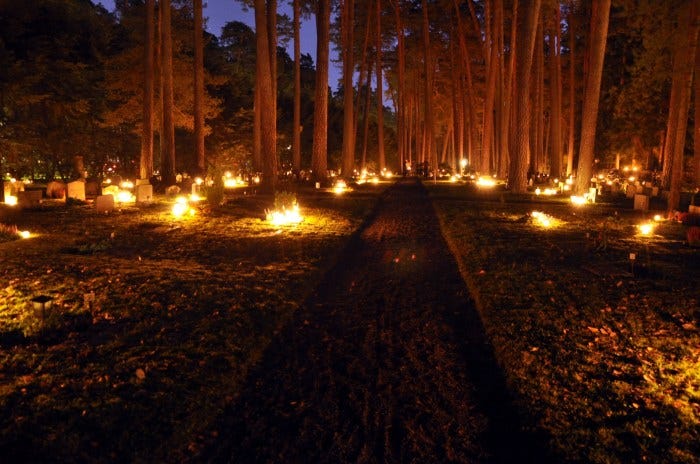
This is why the early Church could face martyrdom with peace. They saw their lives as belonging to God, not to the grave. The lighted candles of All Hallows’ Eve were signs of that same belief, that even in the dark, light endures.
As St. Paul wrote:
“Death has been swallowed up in victory. Where, O death, is your sting?” (1 Corinthians 15:54–55).
Conclusion
Halloween began as a Christian vigil, not a night of darkness. It reminded believers that death and life belong to God, and that fear gives way to faith.
Those who have gone before us are not lost; they are witnesses to the promise of eternal life.
Their light still burns, even on the darkest night of the year.
“I am the resurrection and the life. Whoever believes in me, though he die, yet shall he live.” — John 11:25
Enjoy Halloween, God bless.
You clearly have never been involved in the occult or been a member of a witches coven!
Where I used to live, on Halloween the police have to cordon off an area near a well known graveyard, because of the worship of Satan by witches from all over the UK